The short answer
Custom streetwear manufacturing cost splits into two parts: sampling and bulk production. Sampling is a fixed development cost — at SHENGDE, sample development is typically estimated at USD 80–250 depending on style and complexity. Bulk unit cost is driven by five factors: fabric weight and composition, decoration complexity, trims and branding, quantity, and delivery terms.
There is no meaningful "price per unit" without a specification. A heavyweight hoodie in 450 GSM French terry with puff print, custom woven labels and branded packaging costs materially more than a 240 GSM hoodie with a single chest print — and that difference is exactly what you are paying for as a streetwear brand.
The five cost drivers
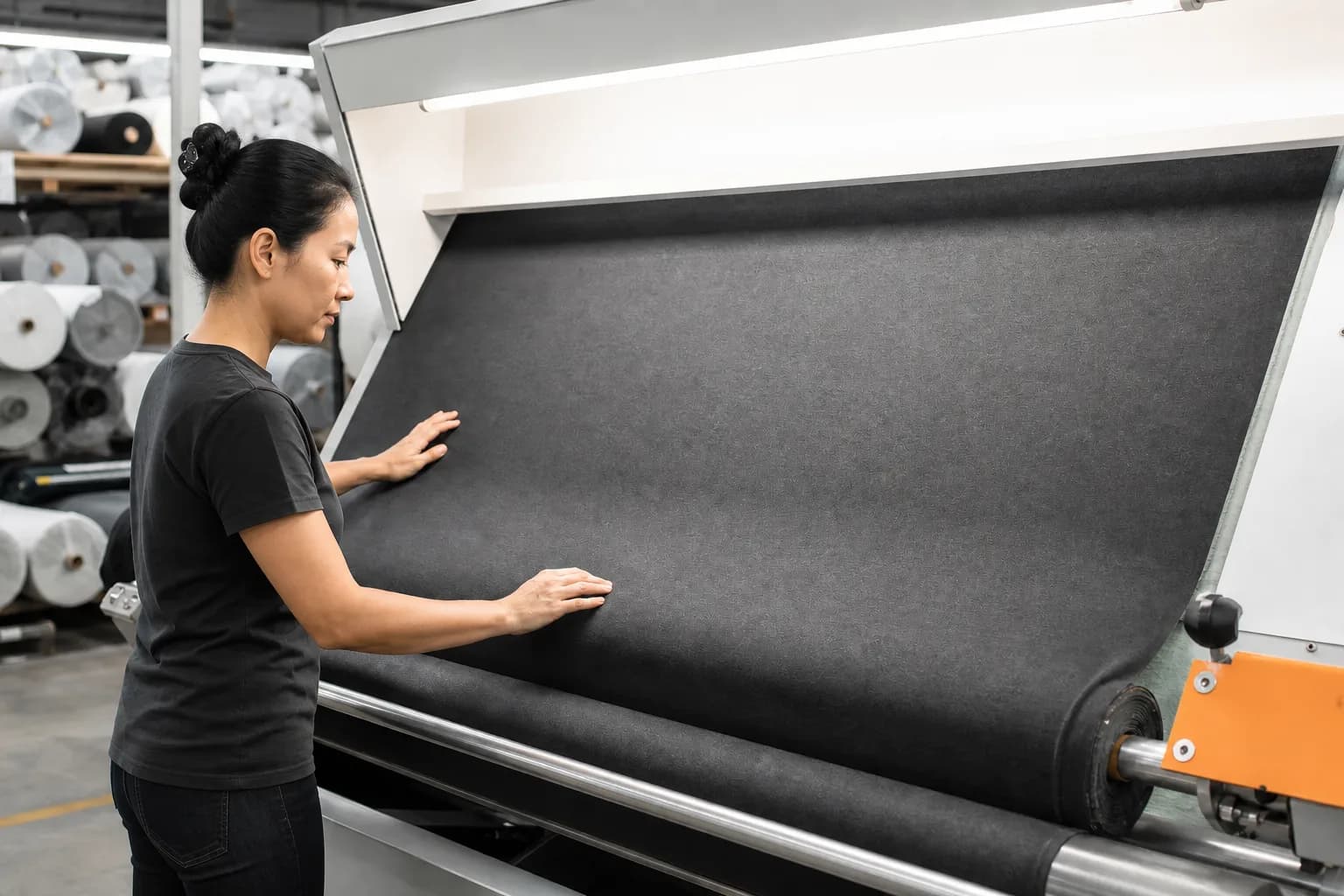
Fabric is the largest driver: weight, composition and finish determine the base cost, and 300–500 GSM heavyweight fabrics cost more per metre than standard 240 GSM blanks. Decoration adds the second layer: screen print is the economical baseline, while puff print, chenille, embroidery, washes and rhinestones each add labour and finishing steps.
Trims and branding are the third layer: custom zips, drawcords, rib colours, woven neck labels, size and care labels, hangtags and branded packaging. Quantity is the fourth: unit price falls as MOQ rises, because fabric, cutting and set-up costs amortize across more units. Delivery is the fifth: DDP delivery folds freight, duties and taxes into one landed cost.
Relative cost by product type
Pricing follows construction complexity. As a reliable ordering of cost per unit: oversized T-shirts and long-sleeve shirts are the entry point; heavyweight hoodies and sweatpants sit above them; varsity, bomber and puffer jackets sit at the top because of materials and assembly labour.
Within each category, the same specification logic applies — GSM up, decoration up, trims up, price up. The cheapest way to control cost is to decide which of these levers matter to your brand identity and hold the rest at baseline.
Sampling costs and the approval gate
Sampling is where development risk is retired. A sample confirms fit, fabric, decoration and labels before you commit to bulk — and at SHENGDE, sample development is targeted within 15 days after the specification, materials and artwork are confirmed, with iterations re-sampled until approved.
Sample costs are confirmed up front and itemized; ask whether they apply to a confirmed bulk order. Bulk production begins only after the physical sample is approved — that gate is what keeps your cost model honest.
How quantity changes unit cost
SHENGDE starting quantities can be discussed from 50 units per style where fabric, colour and decoration allow. Below 50 units, sampling and development is the practical first step. As quantities grow into the hundreds and thousands, unit price falls and more decoration and trim options become economical.
Plan the assortment, not just the style: colours and sizes distributed within a style affect the practical minimum per colourway. The quotation should show fabric, trims, decoration, labels, packaging and delivery separately so you can move cost levers deliberately.
How to get an accurate quotation
Send the specification, not just the idea: product type and quantity, target fabric and GSM, decoration and placement, trims and branding, destination country, and any reference garment or images. The more specific the brief, the more accurate the quotation — a complete tech pack is the fastest start.
Ask for an itemized quote and a DDP or DDU landed-cost option. A factory that answers within one business day with concrete numbers and a sample plan is one you can budget against.
Frequently asked questions
How much does a custom hoodie cost? Unit price depends on GSM, decoration, trims, quantity and delivery; use the quote estimator and a specification to get a number. Is sampling expensive? SHENGDE estimates sample development at USD 80–250 depending on style and complexity. Do sample costs count toward bulk? Ask — policy varies; confirm before ordering. Why is embroidery more expensive than print? It adds digitizing and machine time; complexity and placement drive the premium. Does DDP change the cost? DDP folds freight, duties and taxes into the quotation — the landed cost is the number to compare. What is the fastest way to get a quote? Send product type, quantity, fabric/GSM, decoration and destination in one message.
Sources and verification
Pricing structure, sampling estimates, MOQ and delivery figures reflect SHENGDE production programs and planning ranges published on shengdeclothing.com (2026): sample development estimated at USD 80–250, targeted within 15 days, MOQ from 50 units per style, capacity up to 10,000 units per month, DDP/DDU worldwide. Final quotations are confirmed per specification.
Frequently asked questions
How much does a custom hoodie cost?
Unit price depends on GSM, decoration, trims, quantity and delivery terms — use the quote estimator with your specification to get a concrete number.
Is sampling expensive?
SHENGDE estimates sample development at USD 80–250 depending on style and complexity, targeted within 15 days after specification confirmation.
Do sample costs count toward a bulk order?
Policy varies by supplier — confirm before ordering. Ask for sample costs to be itemized with the quotation.
Why is embroidery more expensive than print?
Embroidery adds digitizing and machine time; complexity and placement drive the premium. Screen print is the economical baseline.
Does DDP change the cost?
DDP folds freight, duties and taxes into one landed-cost quotation — that is the number to compare across suppliers.
What is the fastest way to get a quote?
Send product type, quantity, target fabric and GSM, decoration, destination and any reference images in one message.