
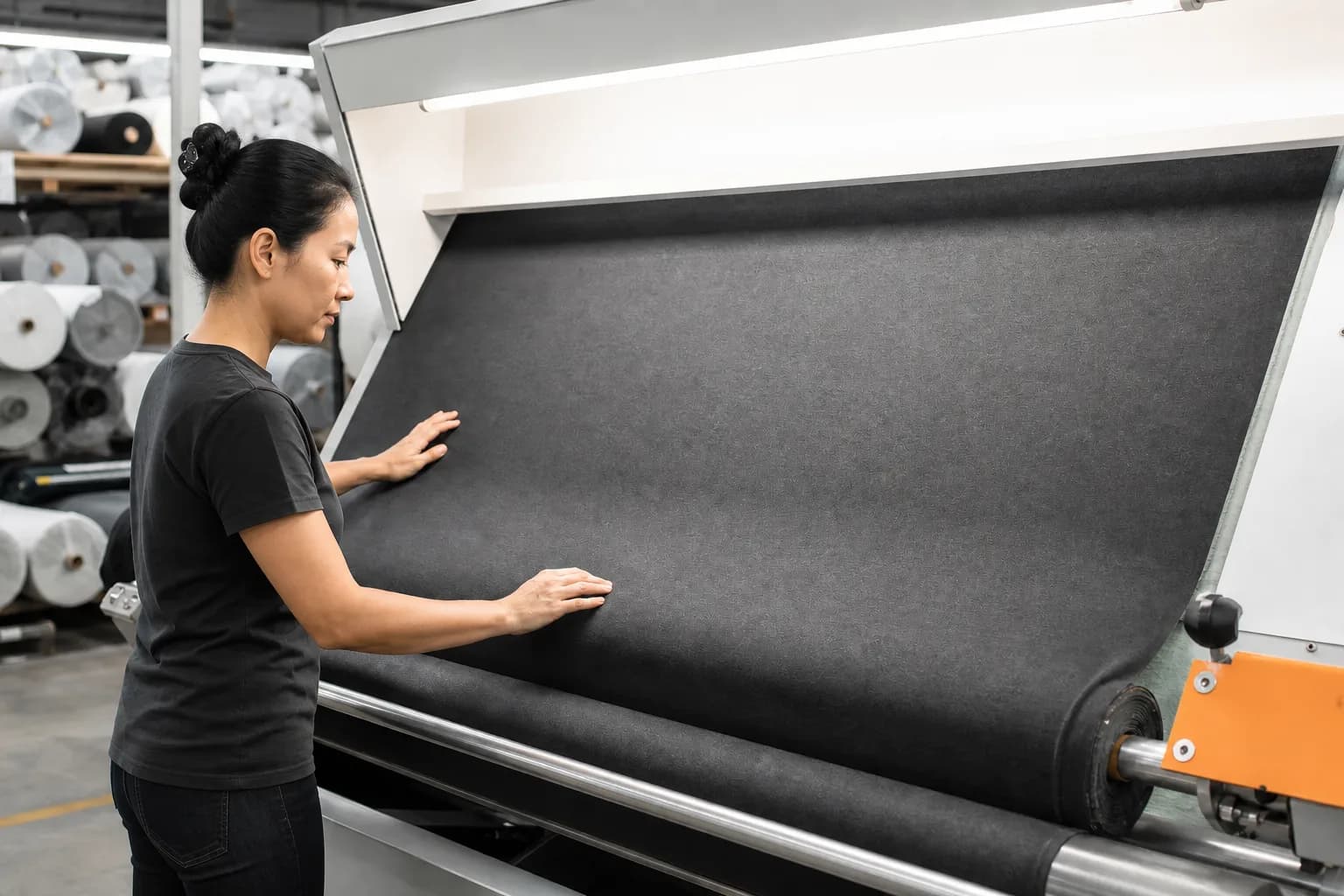
What GSM measures
GSM means grams per square metre. It describes fabric mass over a standard area and is commonly used to compare fabric weight. A higher number usually indicates a heavier fabric, but it does not by itself define quality, thickness, softness or durability.
Fibre type, yarn, knitting structure, density, finishing and moisture all affect how two fabrics with the same GSM feel and perform. Buyers should approve a physical fabric or garment sample rather than purchasing from a GSM number alone.
T-shirt fabric direction
Light and mid-weight jerseys can work for layering, warm climates and promotional products. Heavier jerseys can create a more structured silhouette and a premium streetwear feel, but pattern and neckline construction must suit the weight.
When specifying a T-shirt, define composition, target GSM, hand feel, stretch, surface appearance, shrinkage expectation and colour. The intended fit and decoration technique should be reviewed at the same time.
Hoodie fabric direction
Hoodies often use fleece or French terry. Inside finish, loop structure, brushing, composition and rib recovery can be as important as GSM. Very heavy fabric can affect hood shape, seam bulk, drape and sewing method.
A successful heavyweight hoodie balances fabric with pattern proportions, rib, pocket construction, hood layers and reinforcement. Simply substituting a heavier fabric into a light hoodie pattern rarely gives the intended result.
How to approve fabric
Request composition and weight information, then review a swatch or sample under realistic conditions. Check colour, surface, recovery, drape and inside feel. If performance matters, agree on appropriate testing and tolerance requirements before production.
Keep the approved reference and specification connected to the purchase order. Repeat production should refer to the same measurable requirements rather than descriptions such as premium, thick or soft.